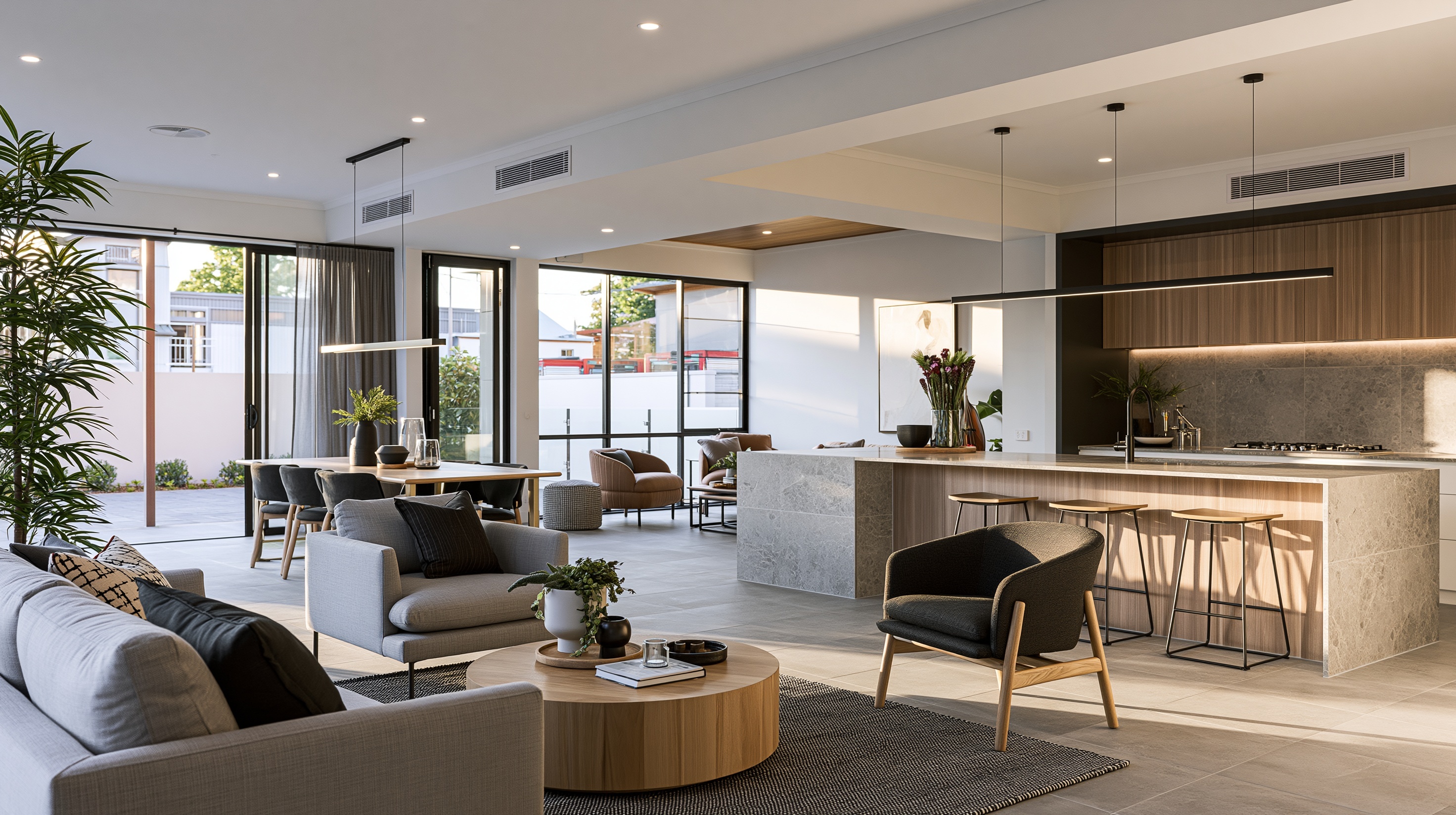
Walk through any large apartment development's sales campaign and you'll find a display suite: a purpose-built, fully furnished space where buyers experience the finished product before it exists. They work. They're also expensive — and for a small developer building six townhouses, the maths is very different from a 200-apartment tower. So do you actually need one? Let's think it through honestly.
What a display suite is really for
A display suite exists to solve one problem: buyers can't picture what they're buying. It makes an abstract off-the-plan purchase feel tangible — you can stand in the kitchen, touch the finishes, sense the space. For high-volume projects selling to owner-occupiers, that emotional certainty justifies the cost, because it lifts conversion across hundreds of sales.
The key word there is hundreds. The economics of a display suite depend on spreading its cost across a lot of sales.
The small-project maths
Here's where first-time and small developers need to be clear-eyed. A display suite is a significant fixed cost — fit-out, furnishings, and often the opportunity cost of building it. Even a modest fit-out can run well into the tens of thousands, and a fully furnished suite easily more. Spread across 6, 8, or 12 dwellings, that per-sale cost can be brutal, and it may simply not be recoverable in your margins.
For a small project, the honest answer is usually: no, you probably don't need a physical display suite, and trying to build one may hurt your feasibility more than it helps your sales.
What actually does the job for a small project
If the goal is helping buyers picture the finished product, a display suite is one way to get there — but not the only way, and not the most cost-effective one for a small development. The leaner toolkit:
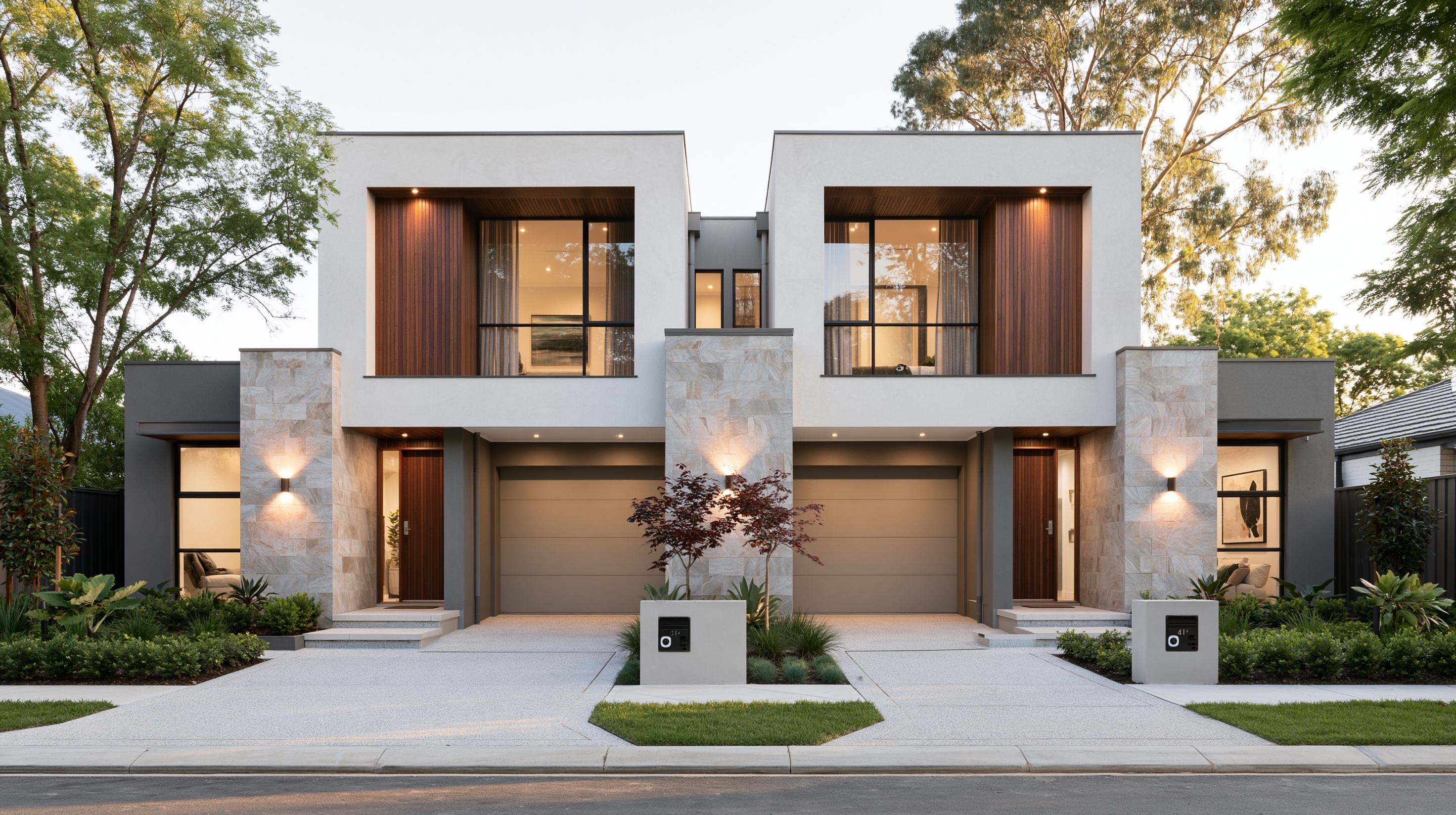
- High-quality renders and 3D visualisations. A good render does much of the emotional work a display suite does, at a fraction of the cost. For most small projects, this is where your presentation budget should go first.
- A virtual tour or walkthrough. 3D walkthroughs let buyers "move through" the home online. Increasingly, buyers expect this, and it travels — it works for someone browsing at 9pm, which a physical suite never will.
- A professional project listing. A single, well-presented online home for the project — renders, floor plans, finishes schedule, location, and an easy enquiry path — is the modern equivalent of the sales office for a small development. It's where serious buyers form their impression and make contact.
- A finishes board or sample, if you have a sales meeting. Physical samples of key finishes cost little and give buyers something tangible without a full suite.
When a physical suite might still make sense
There are exceptions. If your project is larger (heading toward the top of the "small" range), premium-priced, or you're selling primarily to owner-occupiers who need to feel the space to commit, a scaled-back display — even a single completed dwelling used as a display home — can pay off. Using one of the actual units as a display, then selling it at the end, is a common way to get the benefit without a standalone fit-out.
The bottom line
For most small developers, a full display suite is a luxury the numbers don't support — and skipping it isn't cutting a corner, it's spending smart. Put that money into excellent renders, a virtual walkthrough, and a professional project listing that does the persuading online, where today's buyers actually start. Save the physical experience for later stages or larger projects where the volume justifies it.