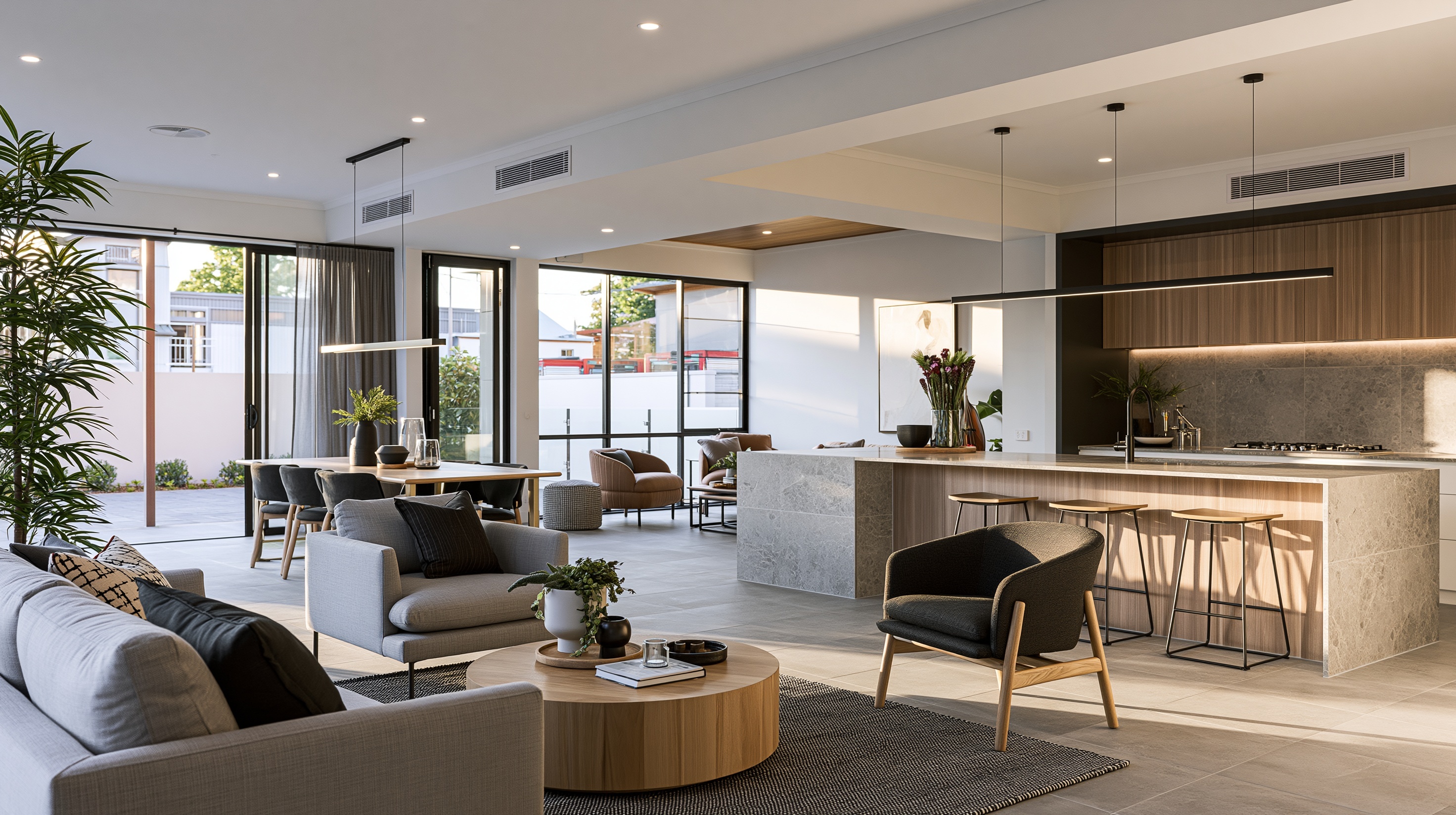
If you've just secured development approval for your first townhouse project, selling "off the plan" can feel like a black box. You're being told to sell homes that don't physically exist yet, to buyers who can't walk through them, under rules you've never had to think about before. This guide walks through how it actually works in South Australia, in plain terms, so you can approach your first launch with a clear head.
What "off the plan" actually means for a developer
Selling off the plan simply means selling a dwelling before it's built (or before it's finished), using plans, renders and specifications rather than a finished product. The buyer commits based on what the project will be. For you as the developer, it's a way to lock in sales — and often the finance — well before completion.
Can you sell before construction finishes?
Yes, and for most small developers there's a strong reason to. Lenders financing construction often want to see a certain level of pre-sales before they'll release funding. Pre-selling also de-risks the project: you're not finishing six townhouses hoping buyers appear, you're building against signed contracts.
The legal groundwork in South Australia
This is where first-timers get nervous, and where a conveyancer becomes your best friend. A few SA-specific essentials:
The Form 1. In South Australia, the vendor must provide a Form 1 — a disclosure statement required under the Land and Business (Sale and Conveyancing) Act. It sets out prescribed information about the property for the buyer. You don't draft this yourself; your conveyancer prepares it. Confirm your project's Form 1 is prepared correctly before you take any deposits.
Cooling-off. In SA, the buyer generally has a two-business-day cooling-off period, and when it starts depends on when they received the Form 1. This is shorter than some eastern states, but the timing detail matters — get it wrong and the period can be extended.
Deposits. SA law limits what can be taken at the point of signing, and deposits are typically held in trust until settlement. Confirm the current deposit rules and trust arrangements with your conveyancer — don't rely on what a mate did in another state.
GST. Selling new residential property has GST implications for you as the developer, and the margin scheme may or may not apply. Flag this to your accountant early — it affects your pricing, not just your paperwork.
None of this should scare you off. It's routine work for a conveyancer, and it's the same for every developer in the state. The point is simply to line it up before you start marketing, not after a buyer wants to sign.
How buyers will actually see your project
Here's the part that's entirely in your control. Because the buyer can't tour a finished townhouse, your renders, floor plans, location information and specifications are the product. If they look thrown-together, the project feels risky. If they look considered and professional, the project feels real and worth the price.
This is exactly where smaller developers lose ground to larger ones — not on the quality of the homes, but on how the project is presented online. A polished, single place for your project — where a buyer can see the renders, understand the location, browse floor plans and make an enquiry — closes the credibility gap.
Do you need an agent, or can you sell it yourself?
For a small townhouse project, this is the big question, and the honest answer is: it depends on your appetite. A project marketing agent or agency brings buyer networks and handles the sales process, but takes a commission on every sale. Selling yourself keeps that margin but means you handle enquiries, follow-up and the sales conversations. We cover this fully in a separate guide on selling without an agent.
A realistic timeline: DA to sold
Every project differs, but the rough sequence for a first-timer looks like this: development approval, then legal and financial setup (Form 1, trust arrangements, finance conditions), then preparing your marketing materials and listing, then launch and pre-sales, then construction, then settlement as each home completes. The lesson most first-timers learn the hard way is that the marketing and legal prep should start earlier than feels natural — ideally while approvals are being finalised, not after.
The first-timer's off-the-plan checklist
Before you take a single enquiry, have these in place:
- Development approval secured
- Conveyancer engaged and Form 1 prepared
- Deposit and trust arrangements confirmed
- GST position checked with your accountant
- Renders and floor plans finalised
- A professional project listing live, ready to send to buyers
- Sales method decided (agent vs self-managed)
- A simple way to capture and follow up enquiries
If those eight are ticked, you're not guessing — you're launching.
Selling off the plan for the first time is mostly about removing surprises. Get the legal groundwork lined up with a conveyancer, decide how you'll sell, and make sure your project looks as considered online as it will in real life.